Same problems. A very different way of seeing them.
By DDA ’26, the question was no longer simply whether Dharma had something to contribute to contemporary life.
It was:
What happens when we actually use a Dharmic lens?
Across sustainability, education, technology, health, spirituality and family, people discovered ideas that were practical, relevant—and often surprisingly natural.
Sahej.
Different problems. A common lens.
DDA ’26 brought scholars, scientists, entrepreneurs, physicians, environmentalists, technologists, spiritual thinkers and practitioners into sustained conversations around six dimensions of contemporary life.
Not simply:
What does Dharma say?
But:
What changes when we actually use it?
Six conversations, six ideas that stayed
What if humans aren’t at the centre?
Ecological crisis isn’t only a technical failure. It also reveals a relationship with nature built around extraction.
What changes when the human moves from the centre of the circle to its edge—alongside the river, tree, soil, tiger and bee?
Sustainability stops being something added to our existing way of life. It begins changing the way of life itself.
Moderator: Shashi Mandapaty
When AI can pass the exam, what is education for?
Information is no longer scarce.
Perhaps education’s most important work was never simply transferring it.
Discernment. Character. Curiosity. Agency. Creativity. The ability to distinguish information from knowledge and knowledge from wisdom.
Information can be transferred.
Ways of seeing and being have to be transmitted.
Moderator: Ashish Pandey
What if medicine is the backup plan—not the health plan?
Modern medicine is extraordinarily capable at intervention.
But much of health is created long before intervention becomes necessary.
Food. Sleep. Movement. Mental state. Relationships. Environment. Daily rhythms.
We cannot outsource responsibility for our wellbeing entirely to medicine.
Moderator: Sonal Gupta
Who decides what technology should optimize?
AI increasingly mediates decisions, information and human relationships.
Efficiency can tell us whether a system works.
It cannot tell us whether its purpose is worth pursuing.
Technology can tell us what is possible.
It cannot tell us what is worth doing.
Moderator: Biplav Srivastava
Who is shaping your attention—you or the algorithm?
Algorithms increasingly decide what reaches us, holds us and influences what we desire.
What happens to discernment, stillness and agency in an environment engineered to capture attention?
In an algorithmic world, choosing what deserves our attention may itself become an act of freedom.
Moderator: Shekhar Mayanil
How do values travel across generations?
Not by freezing them in time.
And perhaps not simply by telling the next generation what to believe.
DDA asked what happens when transmission becomes conversation: values encountered, questioned, understood and eventually lived.
Values survive when each generation encounters them meaningfully.
Moderator: Kalika Uttarkar
One talk became a practice.
After hearing Shekhar Mayanil’s presentation on the neuroscience behind the Hanuman Chalisa, one attendee went looking for more.
She found his podcast.
Shared it with her circle.
And began practicing the Chalisa pranayama demonstrated in the session.
Her response captures something DDA is trying to do:
Ideas matter.
Ideas that change what someone does next matter more.
Serious people. Different disciplines. Unusual conversations.
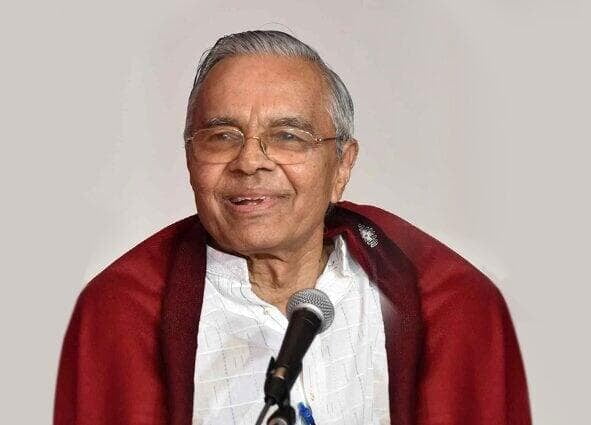
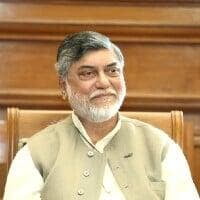
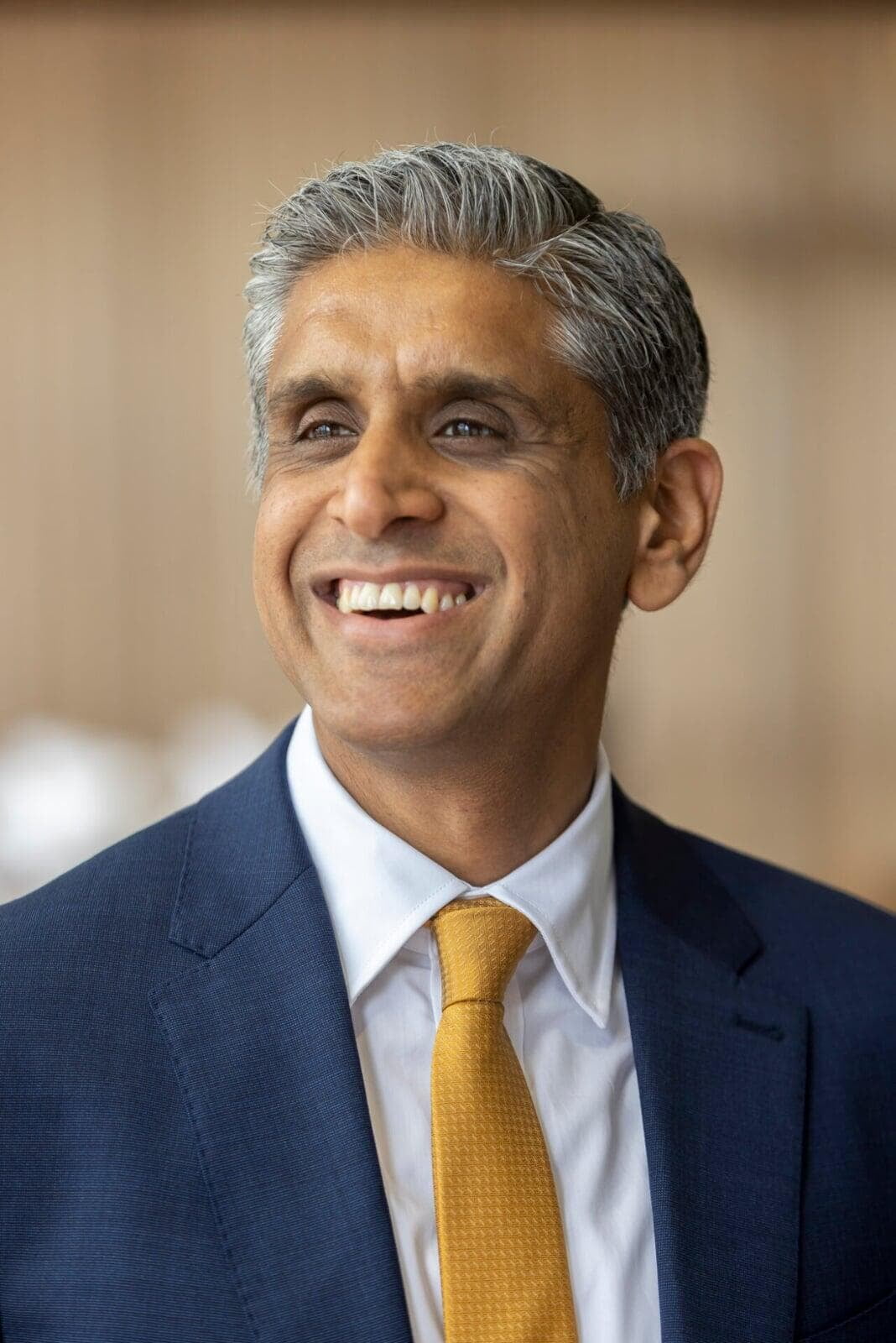
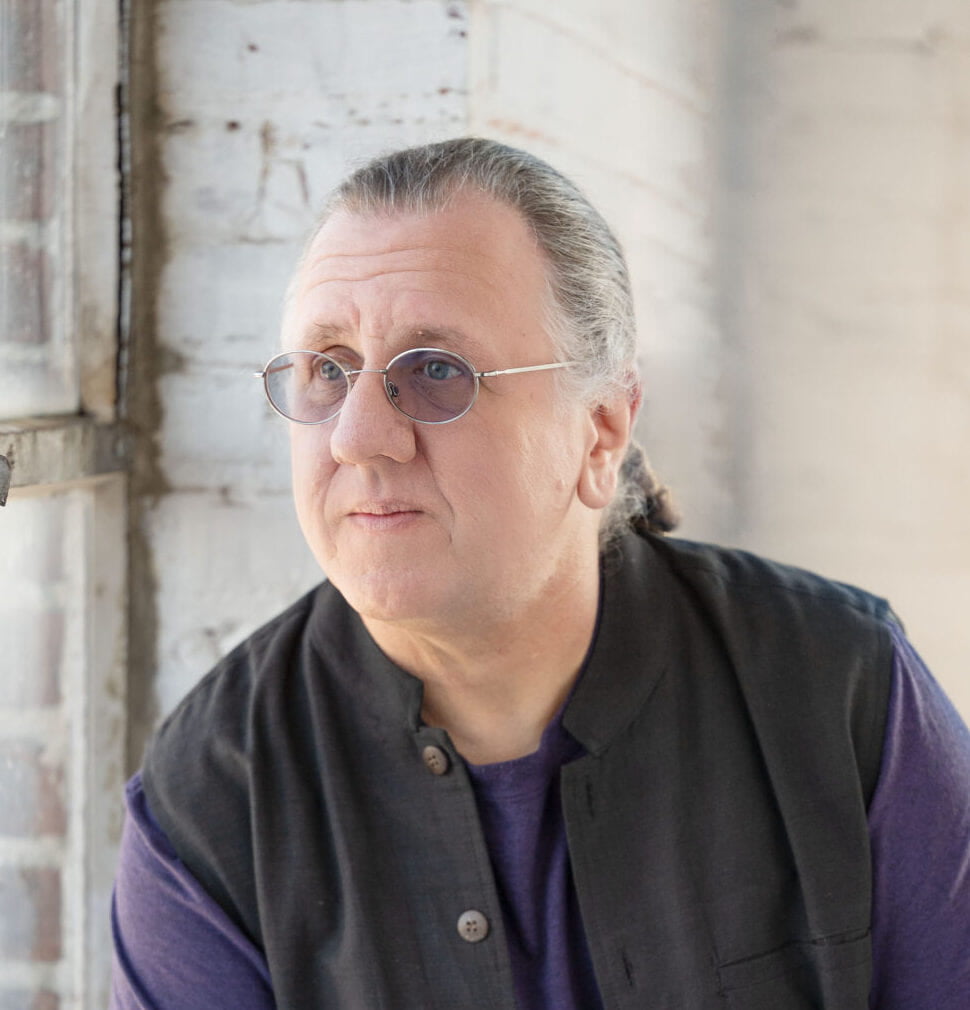
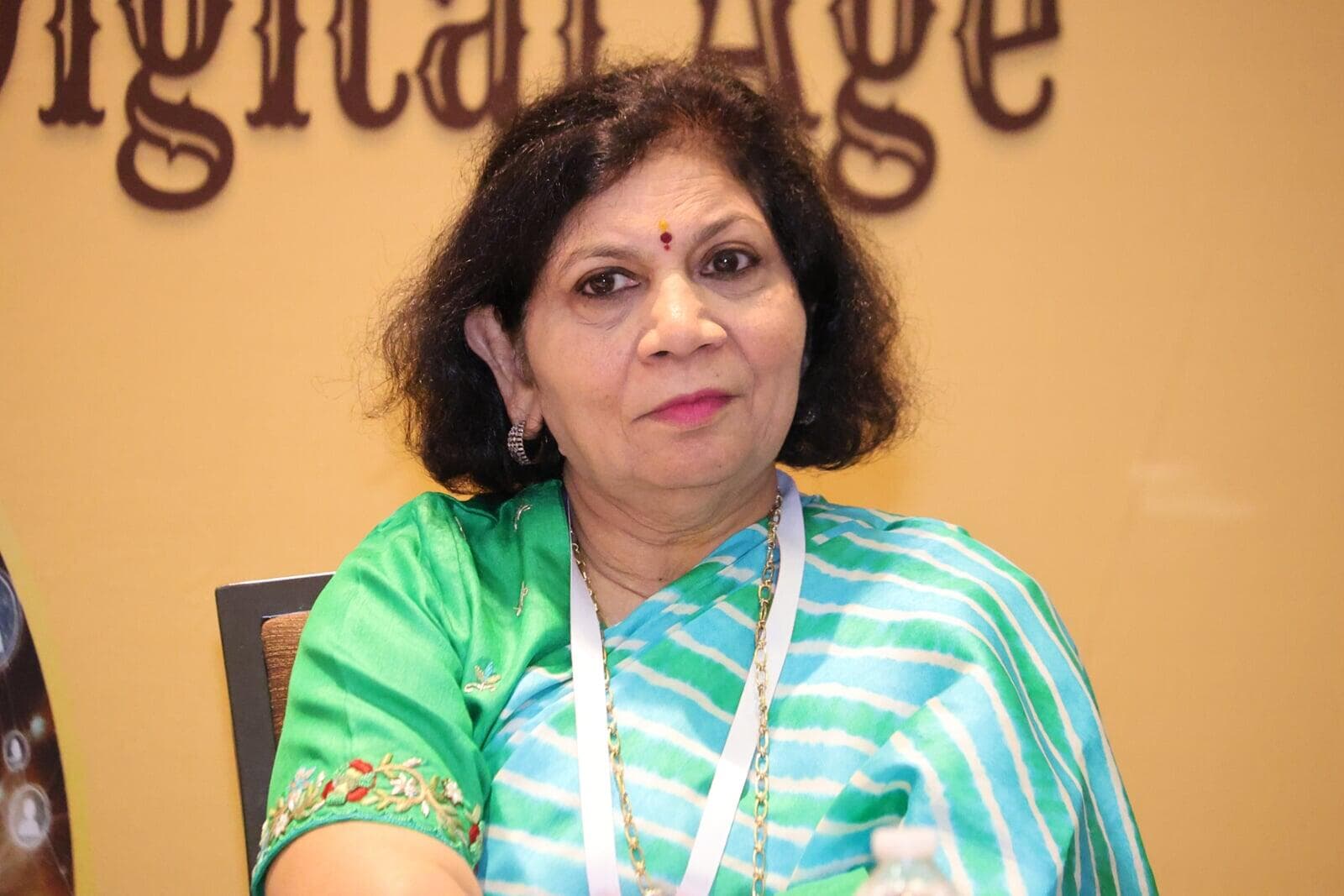
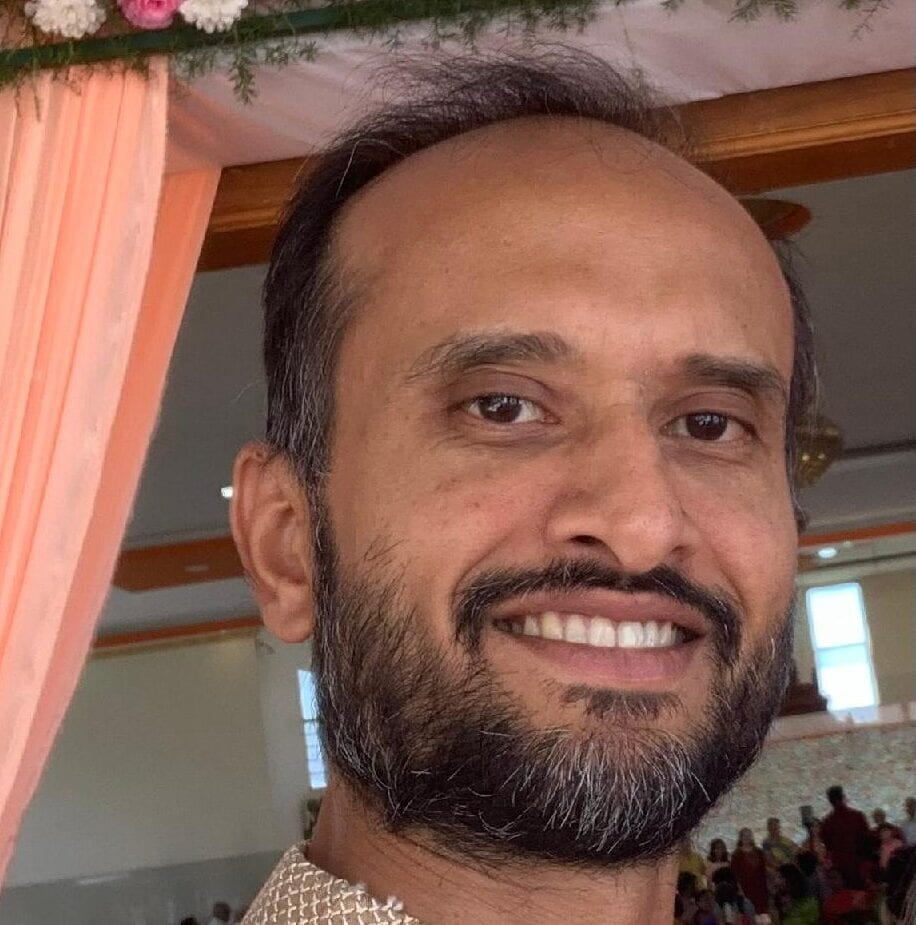
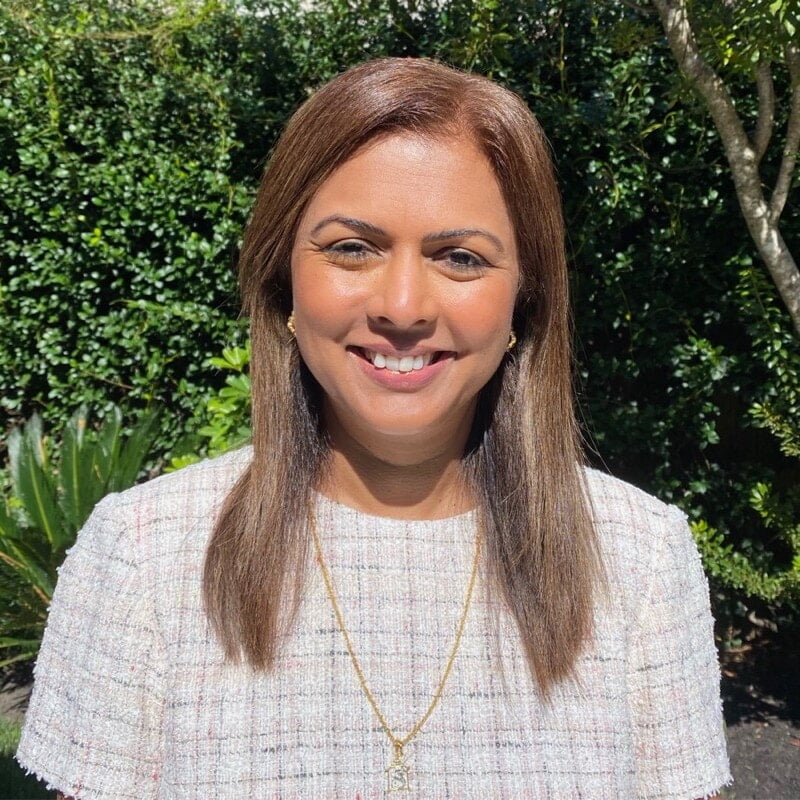
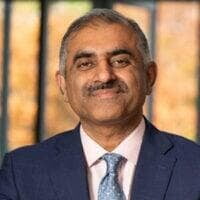
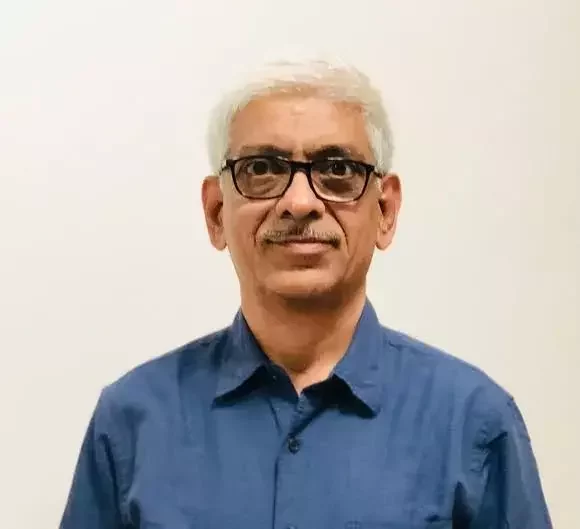
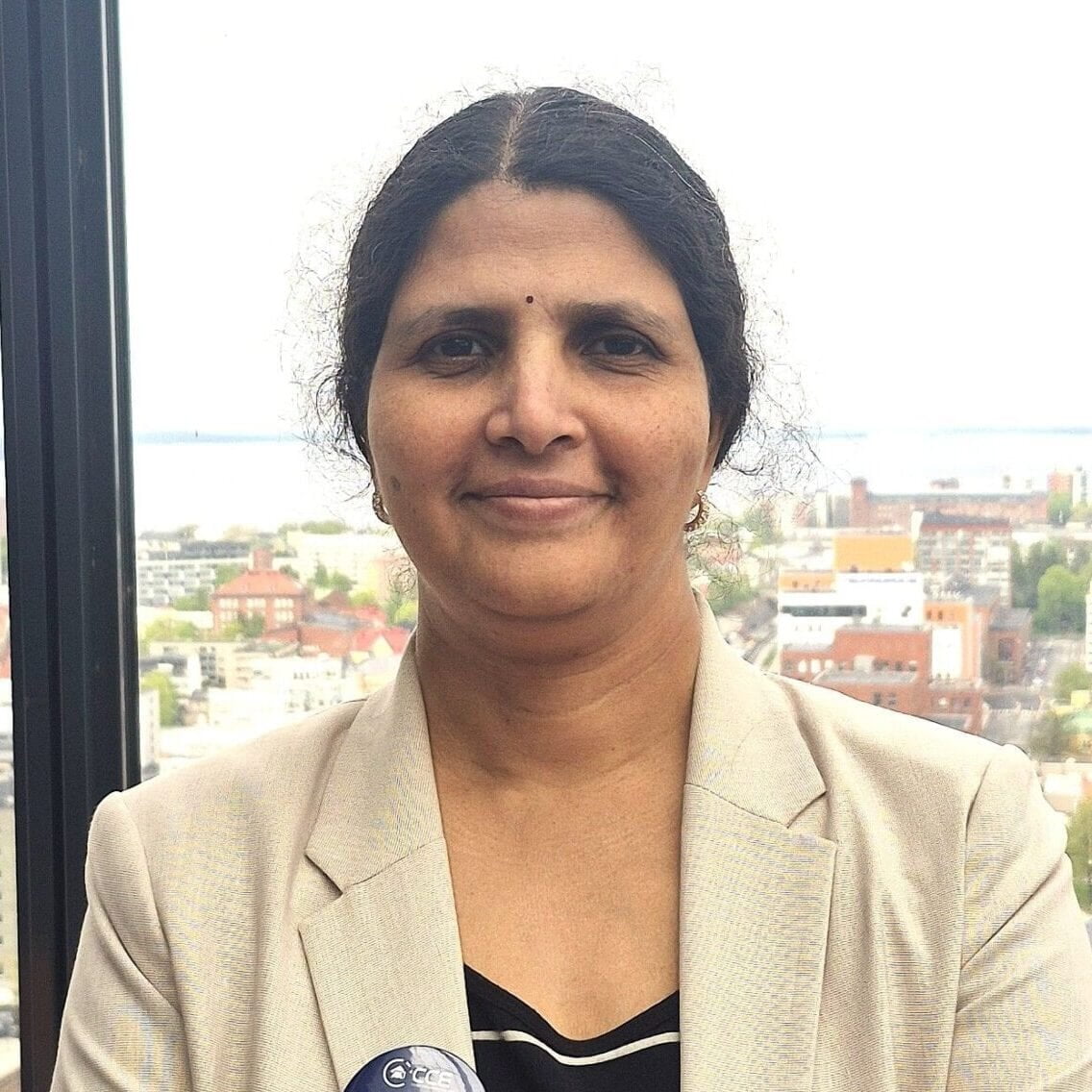
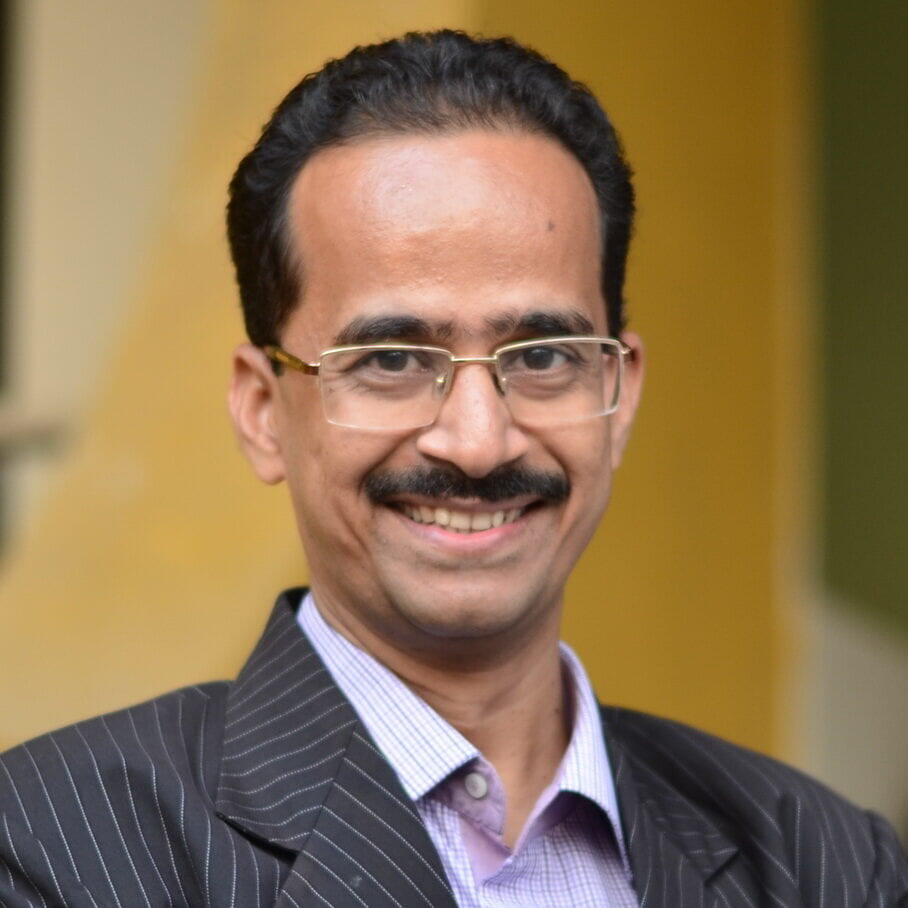
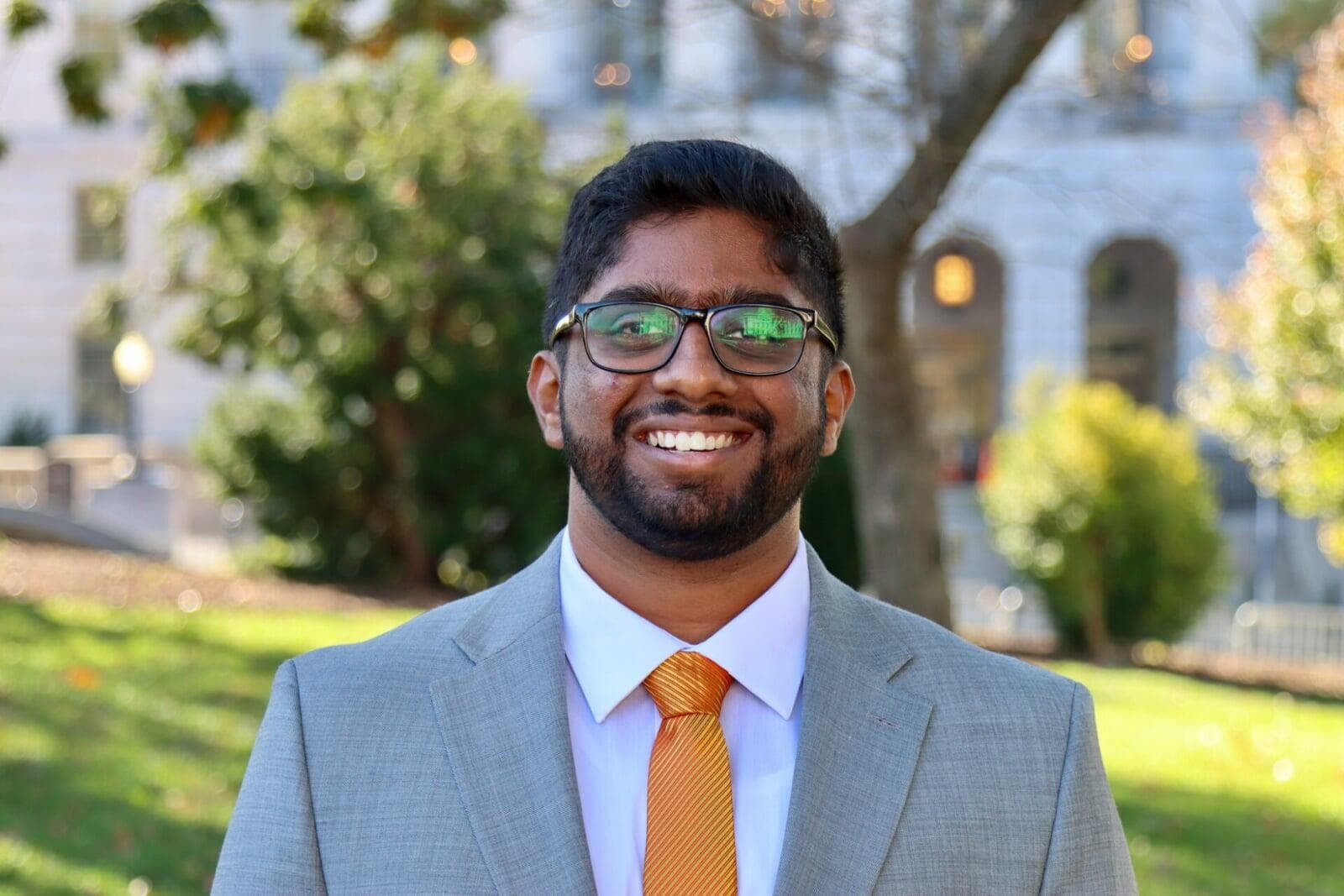
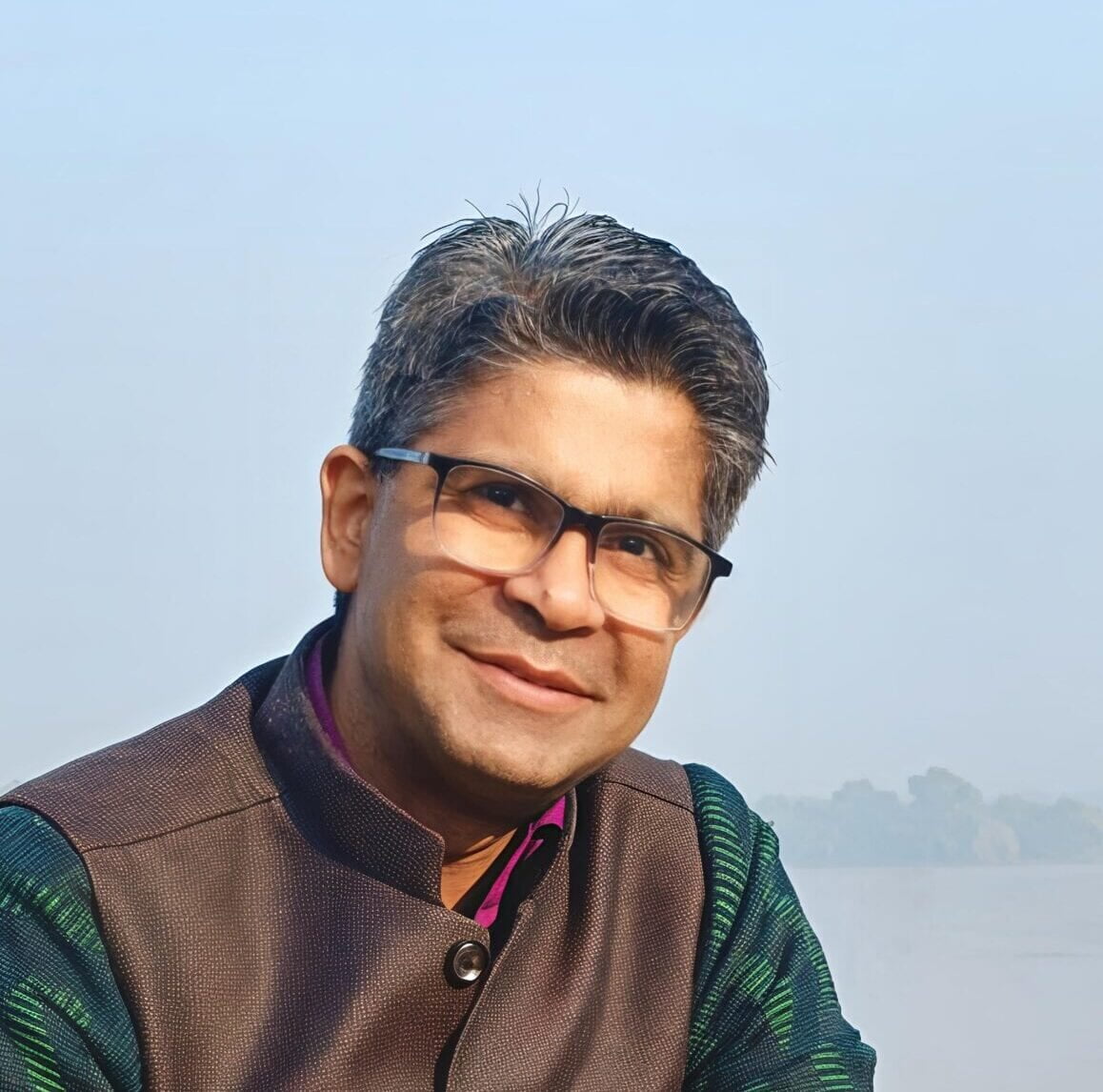
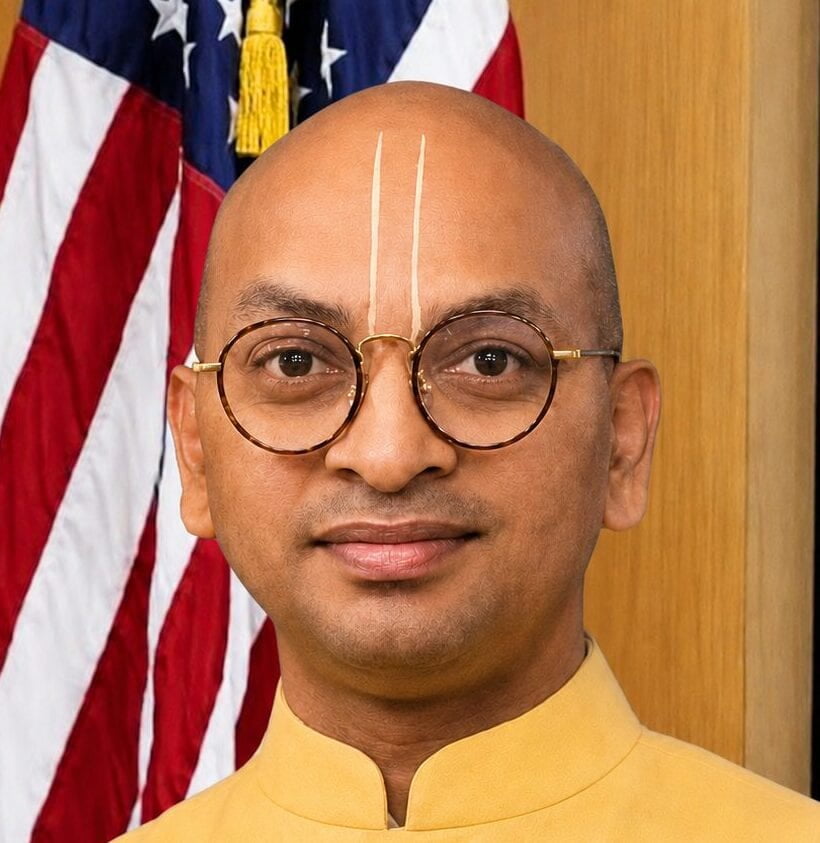
DDA ’26 brought together 30+ speakers, including Padma award recipients, senior academics, scientists, entrepreneurs, physicians, environmentalists, Sanskrit scholars, technologists and spiritual thinkers.
Featured voices included:
You found an ecosystem.
Something significant happened outside the formal programme.
Participants weren’t simply consuming content.
They were finding collaborators, advisors, organizations—and each other.
Among substantive feedback respondents:
Participants described:
And perhaps most importantly, people wanted to do something with what they had encountered.
Participants volunteered to lead initiatives, serve as subject-matter experts, connect their institutions, amplify ideas in their communities and continue the dialogue.
The audience was beginning to become the ecosystem.
Five shifts people took with them
Some ideas didn’t need a long panel.
Focused talks from thinkers including K. Ramasubramanian, Raj Vedam, Nitin Seth, Shekhar Mayanil and others opened entirely different windows into the central DDA inquiry.
One attendee described Raj Vedam’s talk as:
Another highlighted K. Ramasubramanian’s ability to connect Vedic knowledge with questions at the forefront of AI.
Scholars becoming accessible. People finding their people.
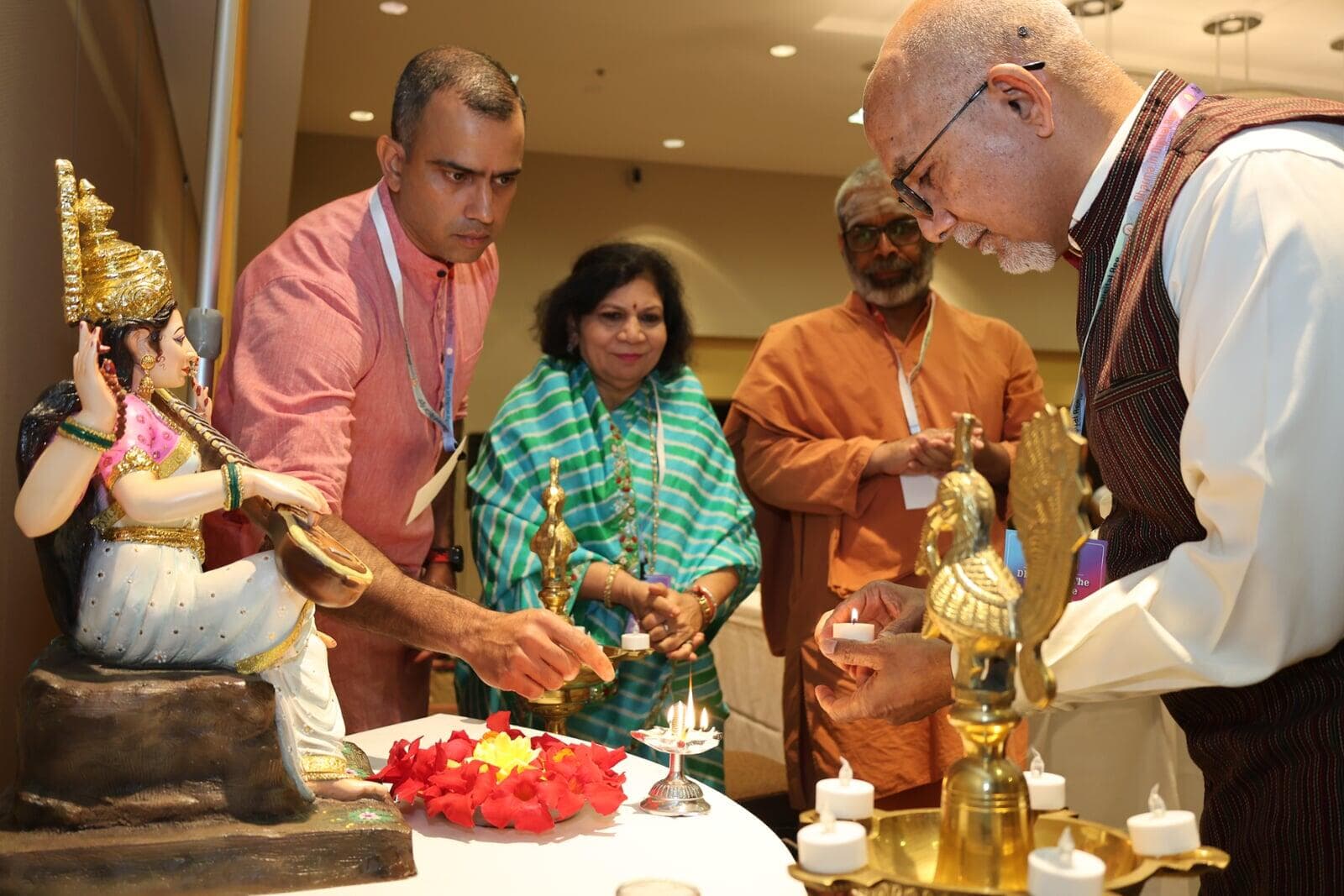
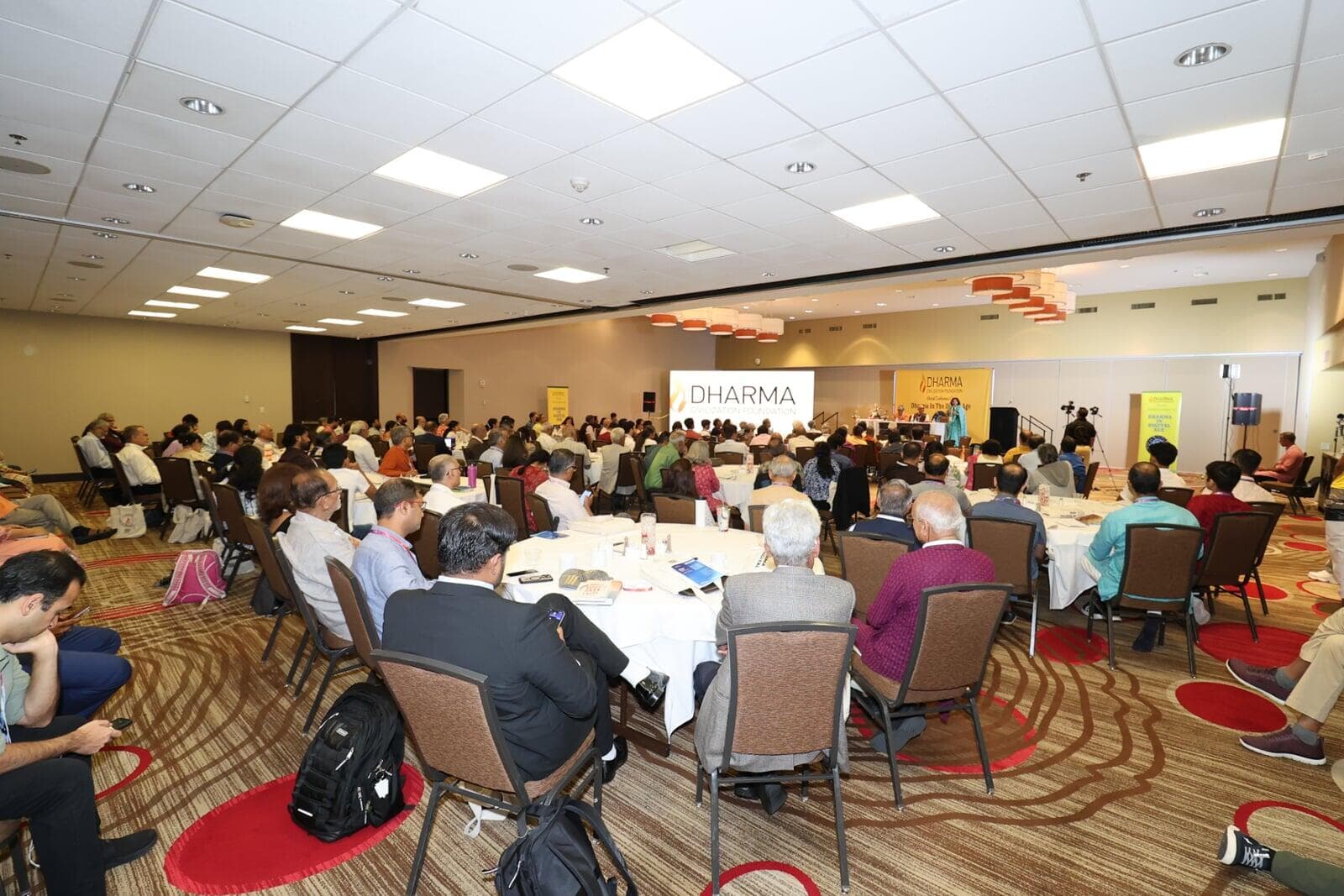
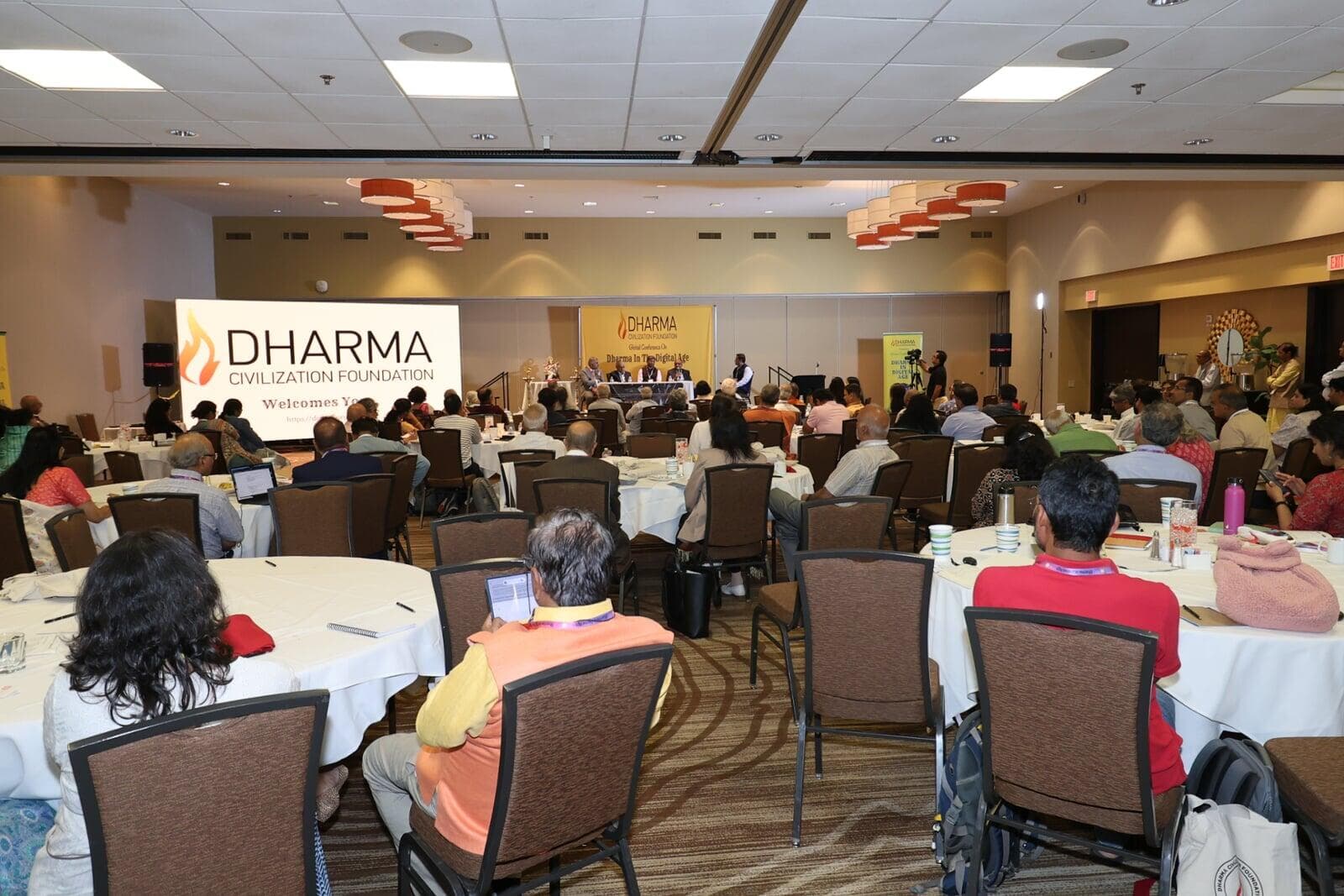
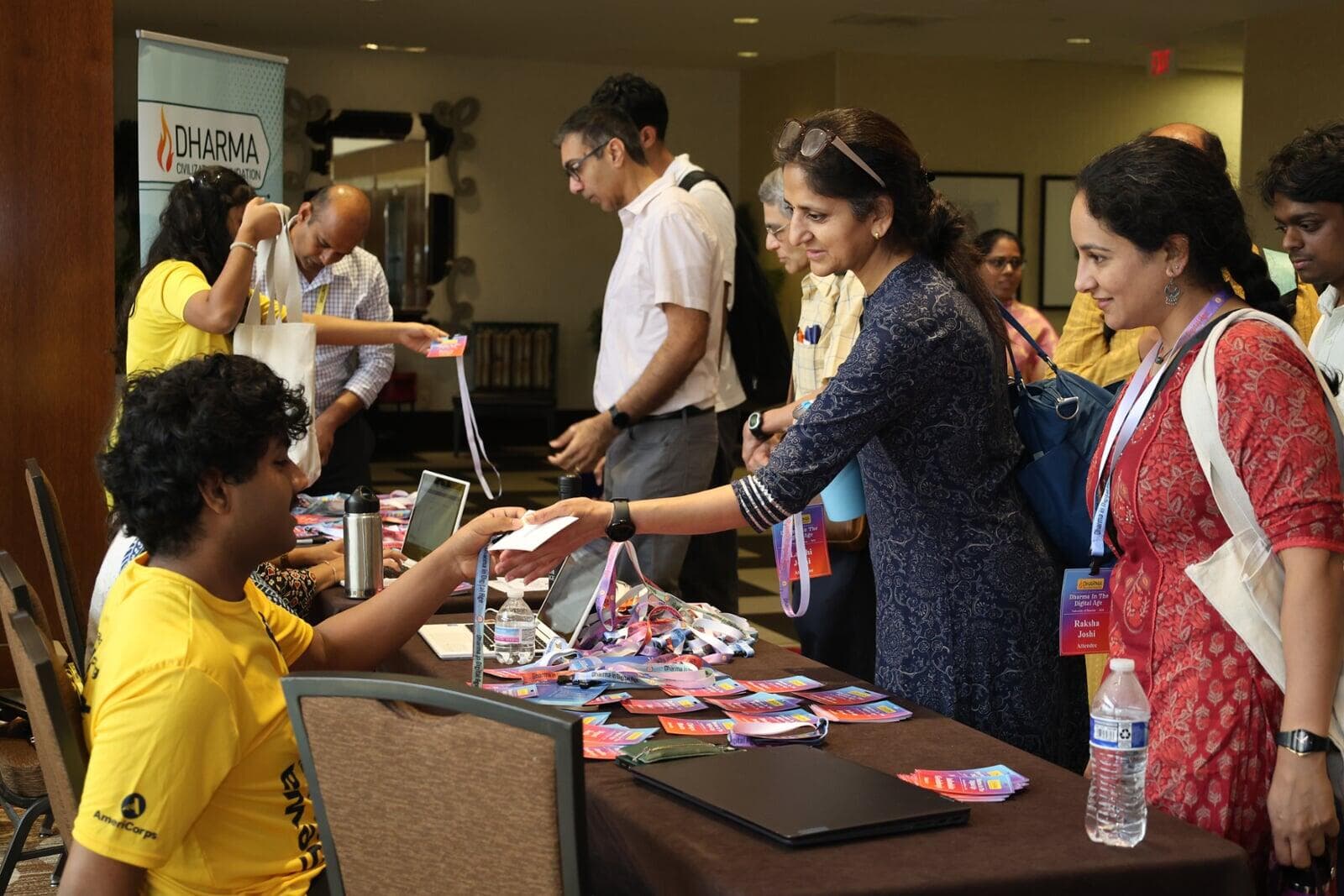
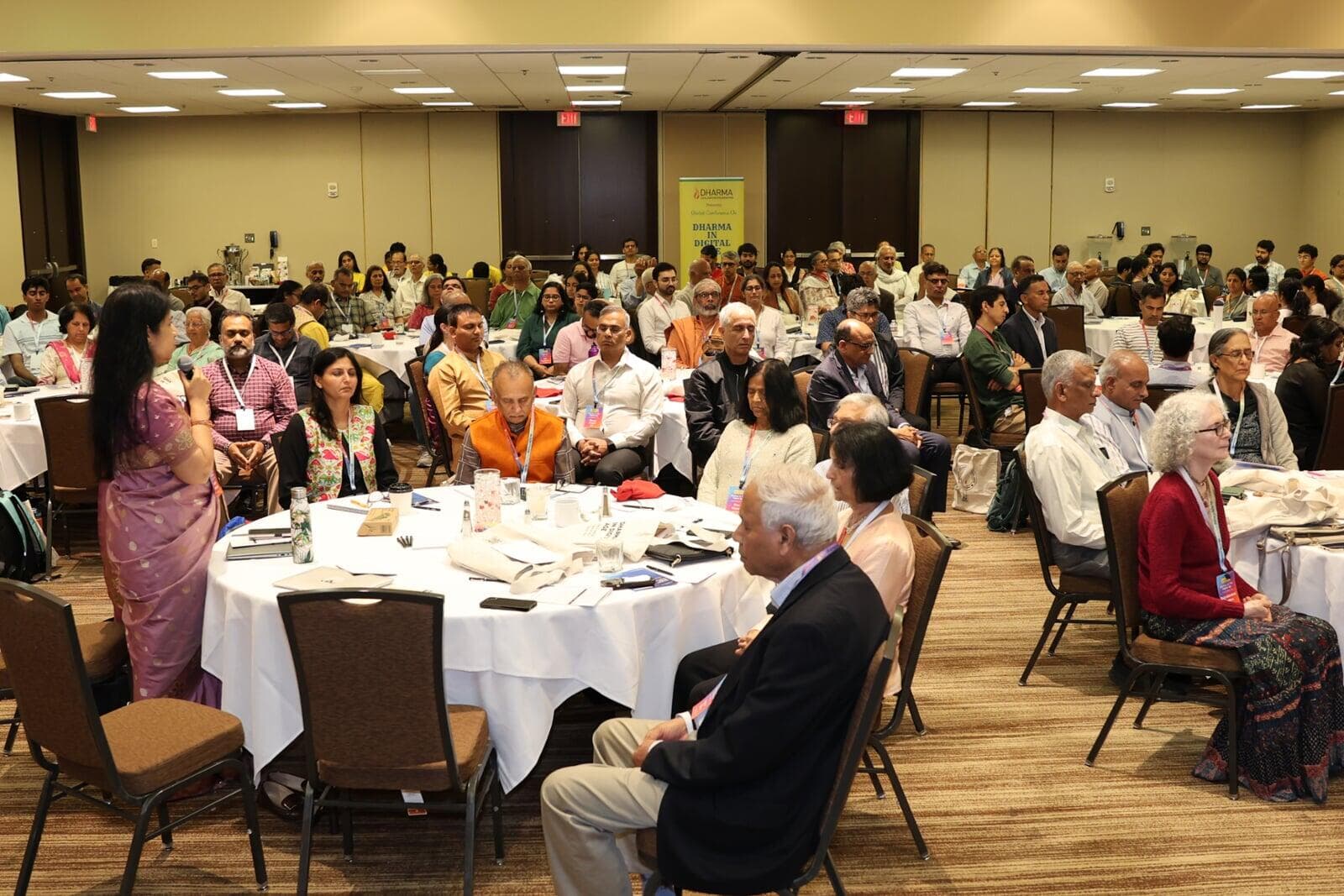
Questions continuing over lunch.
Different generations at the same table.
Ideas becoming collaborations.
People finding their people.
The subjects kept changing.
But underneath them was the same discovery:
Change the lens and different possibilities become visible.
And strangely often, those possibilities don’t feel foreign.
They feel natural.
So where does the conversation go next?
DDA ’27 moves from seeing differently toward building differently.
New problems. New applications. New people.
And a growing community interested not simply in understanding Dharma—but in seeing what becomes possible when we use it.
Be in the room.
DDA ’27 · June 11–13, 2027 · Houston