What if the problem isn’t the problem—but how we’ve learned to see it?
DDA ’25 took the inquiry into the systems that shape modern life: economics, leadership, media, technology, social impact, family, health—and even the way we define progress.
The question became sharper.
What changes when we change the framework?
The conversation widened.
It is relatively easy to agree that leadership should be ethical, economies sustainable, media responsible and technology humane.
The harder questions are:
DDA ’25 brought those questions into conversation with Dharmic frameworks.
Same subjects. A different starting point.
What if leadership is stewardship rather than power?
Modern leadership prizes performance, influence and outcomes.
A Dharmic lens adds responsibility, duty, self-mastery and stewardship.
What if prosperity is larger than production and consumption?
DDA explored Abhyudaya—collective and holistic flourishing—and what happens when material prosperity, human wellbeing, community and ecological balance belong inside the same economic frame.
When attention becomes the product, what happens to truth?
Market incentives, sensationalism, ideology and algorithms increasingly determine what societies see and how they understand it.
“Can we?” isn’t the same question as “Should we?”
Privacy. Transparency. Accountability. Inclusion. Human agency. Unintended consequences.
What if ethics didn’t arrive after technology was built, but helped determine what was worth building in the first place?
What if our metrics make invisible the things that matter most?
What gets measured gets optimized.
But wellbeing, ecological balance, meaning, family stability and social cohesion don’t always fit neatly into conventional metrics.
What if service isn’t charity?
Sewa introduces ideas of duty, reciprocity, Karma Yoga and Rna—the recognition that none of us is entirely self-made.
Family. Health. Wellbeing.
DDA ’25 also brought the inquiry home.
How do families remain coherent through rapid social change?
What does wellbeing look like when body, mind, behaviour, relationships and inner life are understood as interconnected?
They appear unrelated.
Until we ask:
That is where Dharma enters the conversation.
Scholars. Business leaders. Technologists. Researchers. Practitioners.
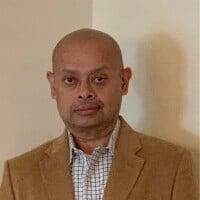


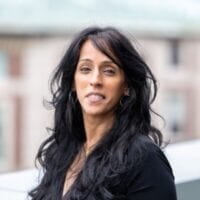
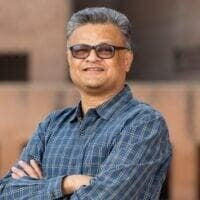
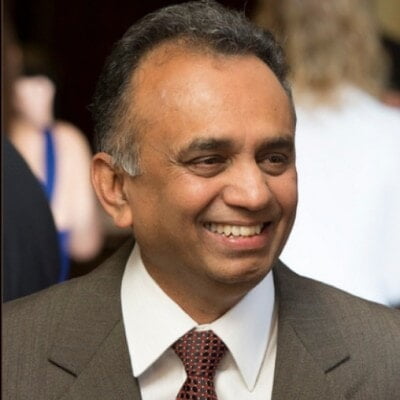
People who had spent years thinking deeply inside their respective fields—and were willing to ask whether a different framework might reveal something their discipline had missed.
What people took with them
By the end of DDA ’25, something had become clearer.
The Digital Age wasn’t simply about digital technology.
It was the age in which we lived.
So the canvas needed to become larger.
Education. Ecology. Health. Spirituality. Technology. Family.
And that became DDA ’26.
See where the conversation goes next.
DDA ’27 · June 11–13, 2027 · Houston