It started with a question.
Could Dharma offer a different framework for navigating life in the Digital Age?
DDA ’24 brought together scholars, practitioners, professionals and seekers to explore that question across technology, family, wellbeing, institutions, governance, art and society.
Some conversations offered answers. Others revealed how much more there was to ask.
But something important had begun.
What happens when an old framework encounters entirely new problems?
Artificial intelligence. Changing families. Institutional distrust. Mental wellbeing. Technology-mediated relationships. A rapidly changing world.
The problems felt distinctly modern.
But did the frameworks we used to understand them have to be?
DDA ’24 began an experiment: bring Dharmic thought into serious conversation with contemporary problems—not to search the past for ready-made answers, but to see whether a different way of seeing could produce different questions, and eventually different solutions.
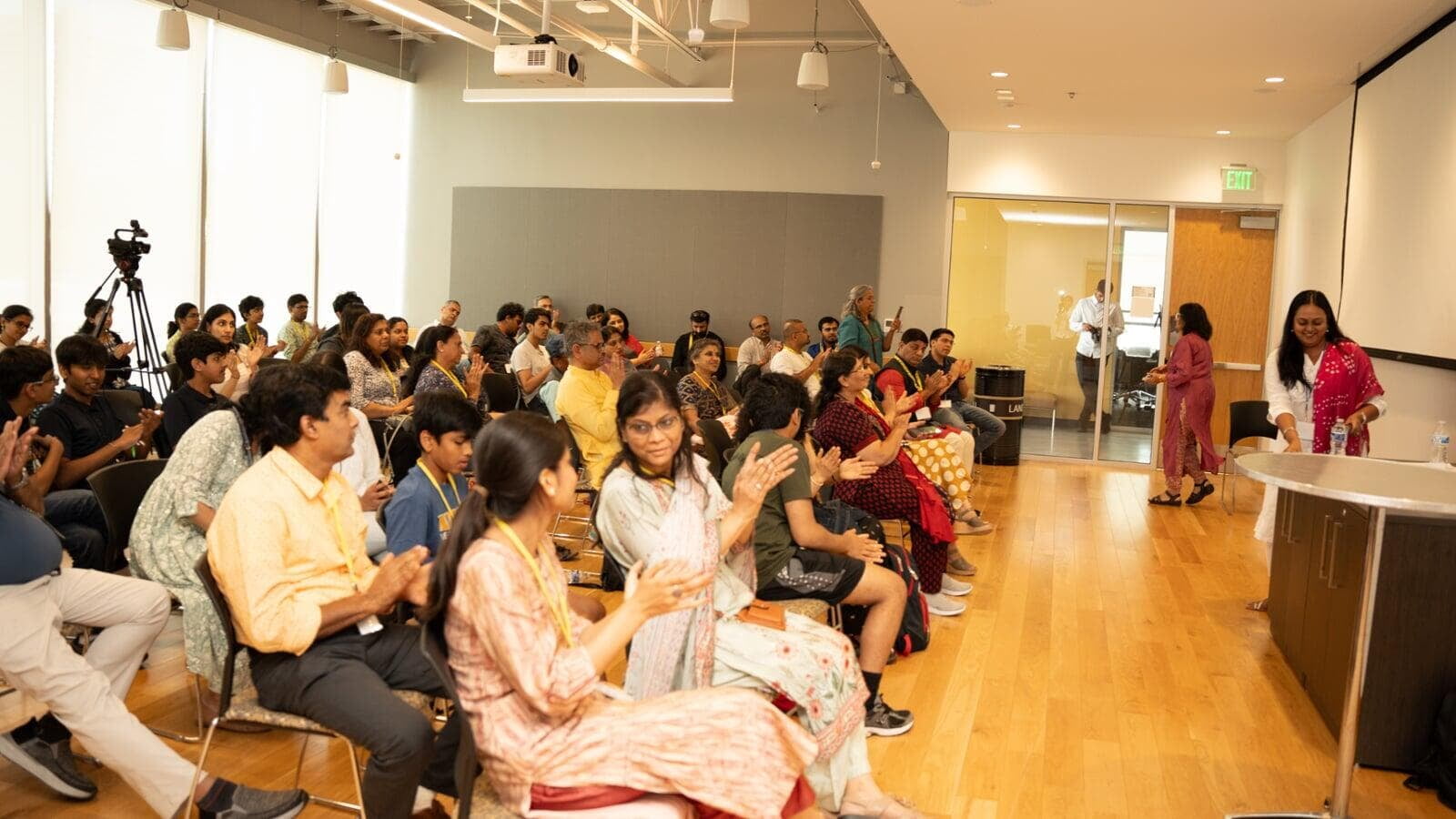
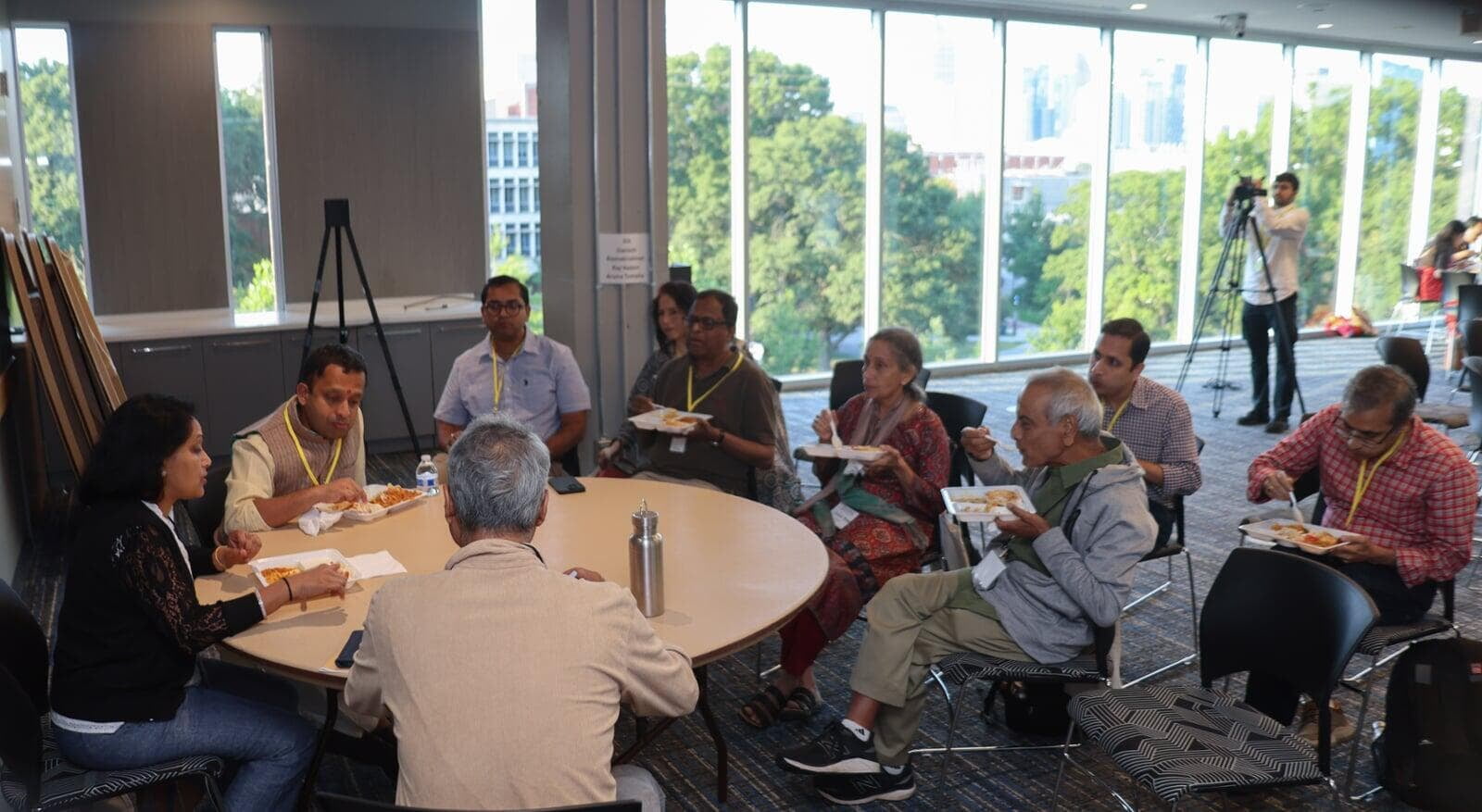
People came for the ideas. They began finding each other.
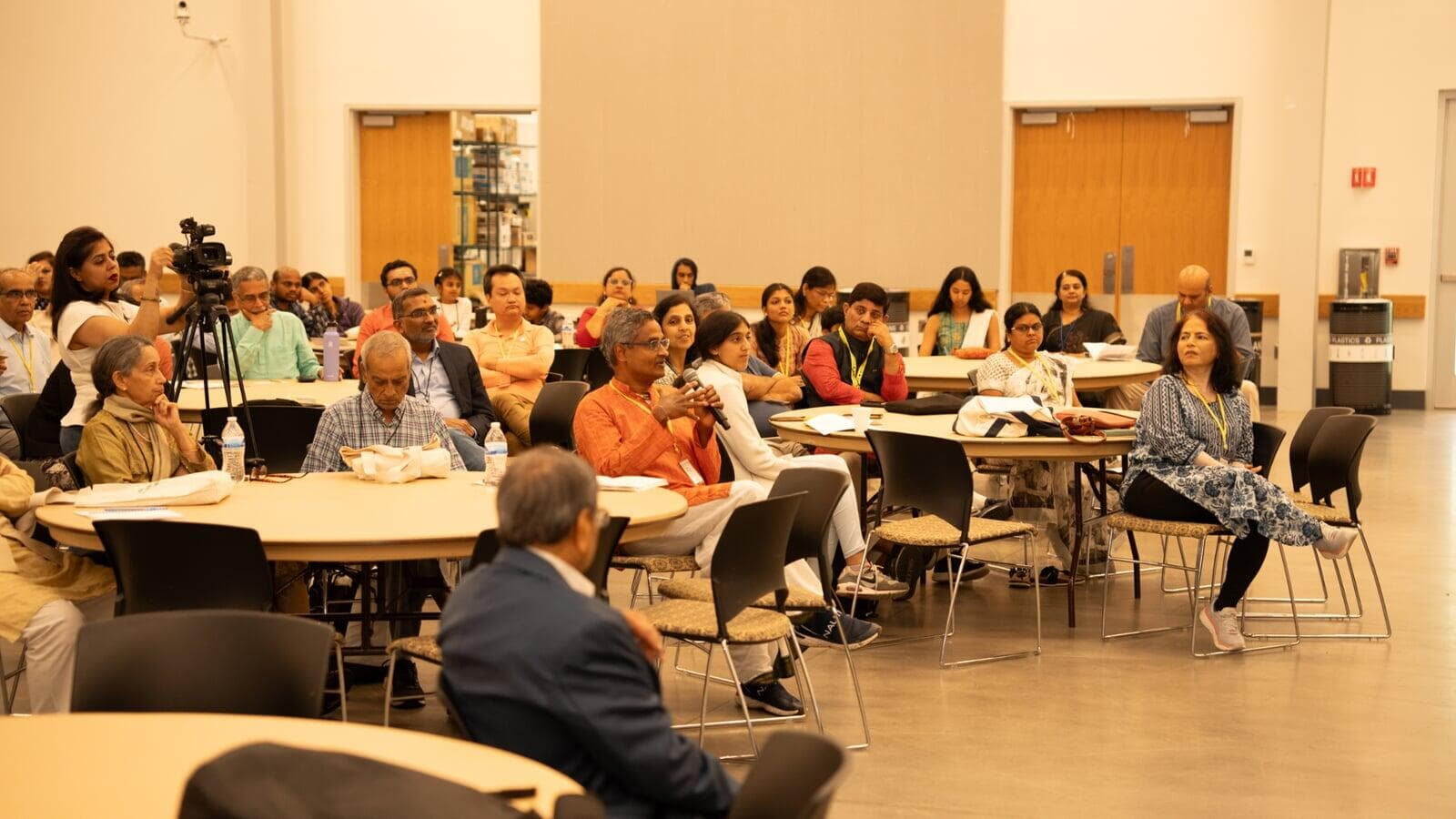 [ LARGE CANDID PHOTOGRAPH — conversations / networking rather than stage ]
DDA was conceived as an intellectual gathering.
But between panels, over meals and in conversations that continued long after sessions ended, another need became visible.
People who had been thinking about these questions largely on their own were suddenly thinking about them together.
One attendee captured it simply:
Another left thinking about the:
The beginnings of that ecosystem were already in the room.
Six conversations. One underlying inquiry:
What changes when we look again through a Dharmic lens?
 [ LOGO ]
Is technology ever really worldview-neutral?
Technology is often treated as universal: build the best tool and deploy it everywhere.
DDA ’24 asked an earlier question: do our assumptions about human beings, society and progress influence the technologies we create—and what we ask them to do?
 [ LOGO ]
What holds us together when everything around us is changing?
Technology has transformed how generations communicate, form relationships and understand community.
What remains essential? What must adapt? And what should never be outsourced to technology?
One attendee’s takeaway was strikingly simple:
 [ LOGO ]
Ideas survive when institutions carry them.
Individual knowledge matters. But civilizational ideas require organizations, educational institutions and communities capable of translating them into contemporary life.
The question moved from “What do I know?” to:
 [ LOGO ]
What happens to human expression when creation becomes technological?
As technology increasingly mediates both creation and consumption, DDA explored what art carries beyond aesthetics: meaning, memory, identity and ways of seeing.
 [ LOGO ]
How do we remain human in an age designed to capture our attention?
Constant connectivity has brought extraordinary capability—and distraction, shortened attention and new pressures on the inner life.
Could Dharmic practices offer something beyond another productivity technique?
One participant reflected:
 [ LOGO ]
New technologies. Old questions of responsibility.
AI and exponential technological change create possibilities faster than institutions can absorb them.
DDA ’24 asked what principles should govern those possibilities.
One attendee distilled the issue into four words:
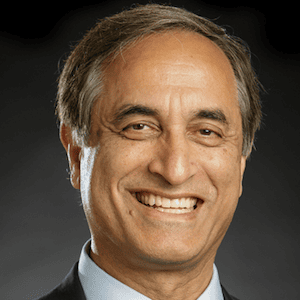
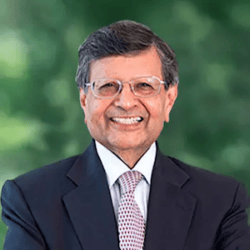
Different disciplines. One room.
 [ HEAD-
SHOT ]
 [ HEAD-
SHOT ]
 [ HEAD-
SHOT ]
 [ HEAD-
SHOT ]
 [ HEAD-
SHOT ]
 [ HEAD-
SHOT ]
 [ HEAD-
SHOT ]
 [ HEAD-
SHOT ]
 [ HEAD-
SHOT ]
 [ HEAD-
SHOT ]
 [ HEAD-
SHOT ]
 [ HEAD-
SHOT ]
 [ HEAD-
SHOT ]
 [ HEAD-
SHOT ]
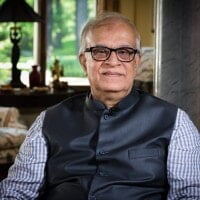
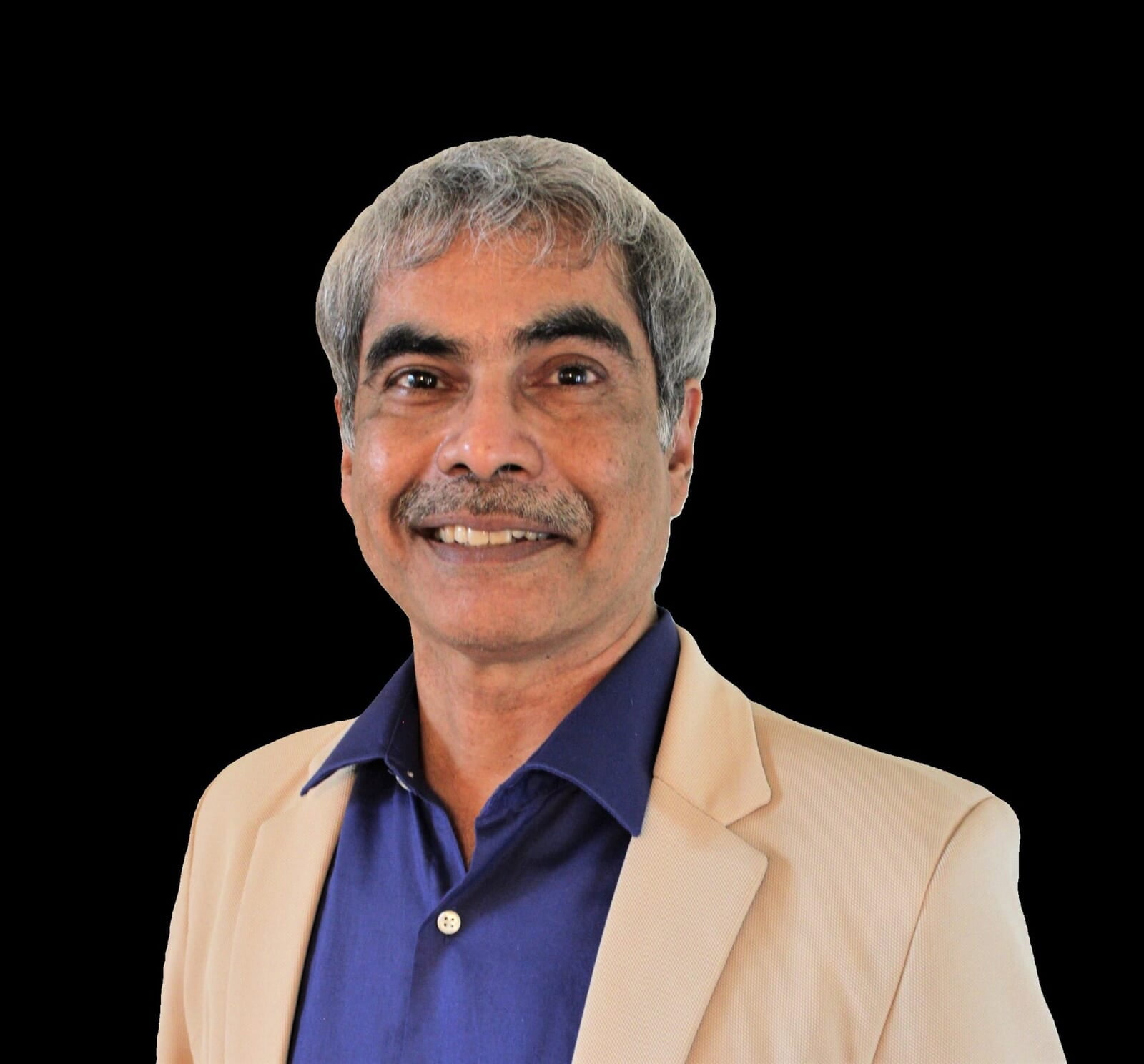
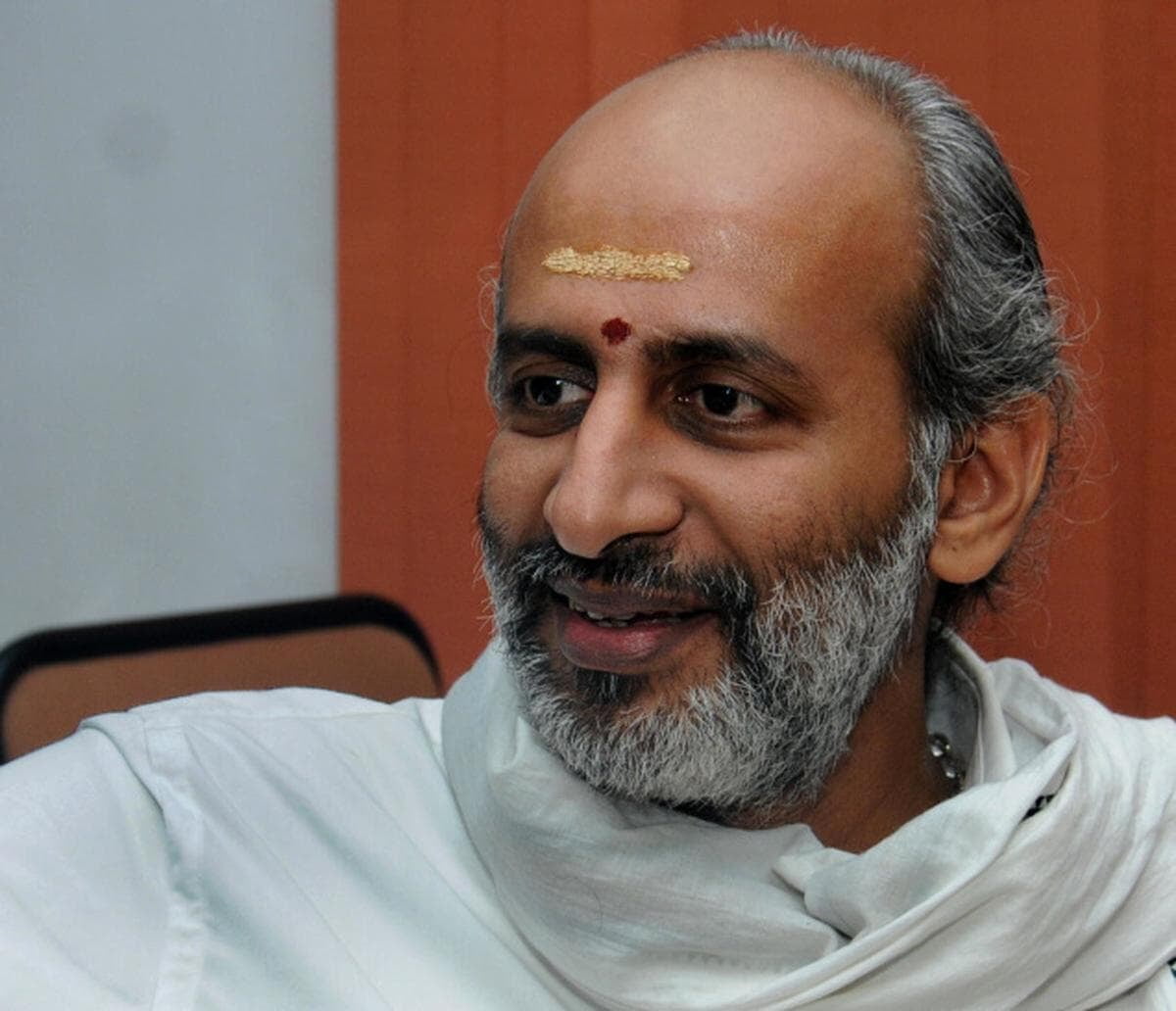
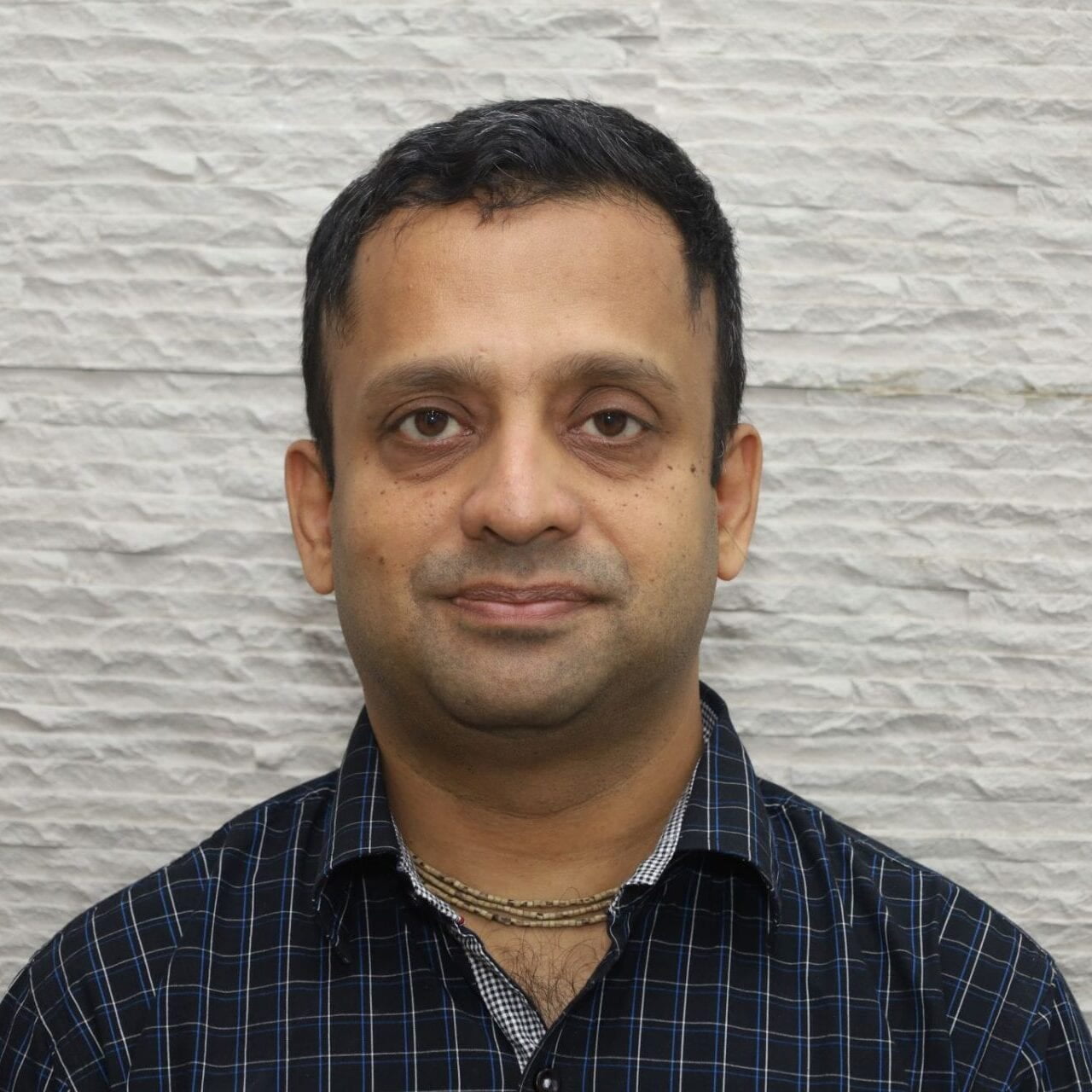
DDA ’24 brought together thinkers spanning technology, economics, Sanskrit, history, wellness, education, philosophy, leadership and the arts.
What people carried out of the room
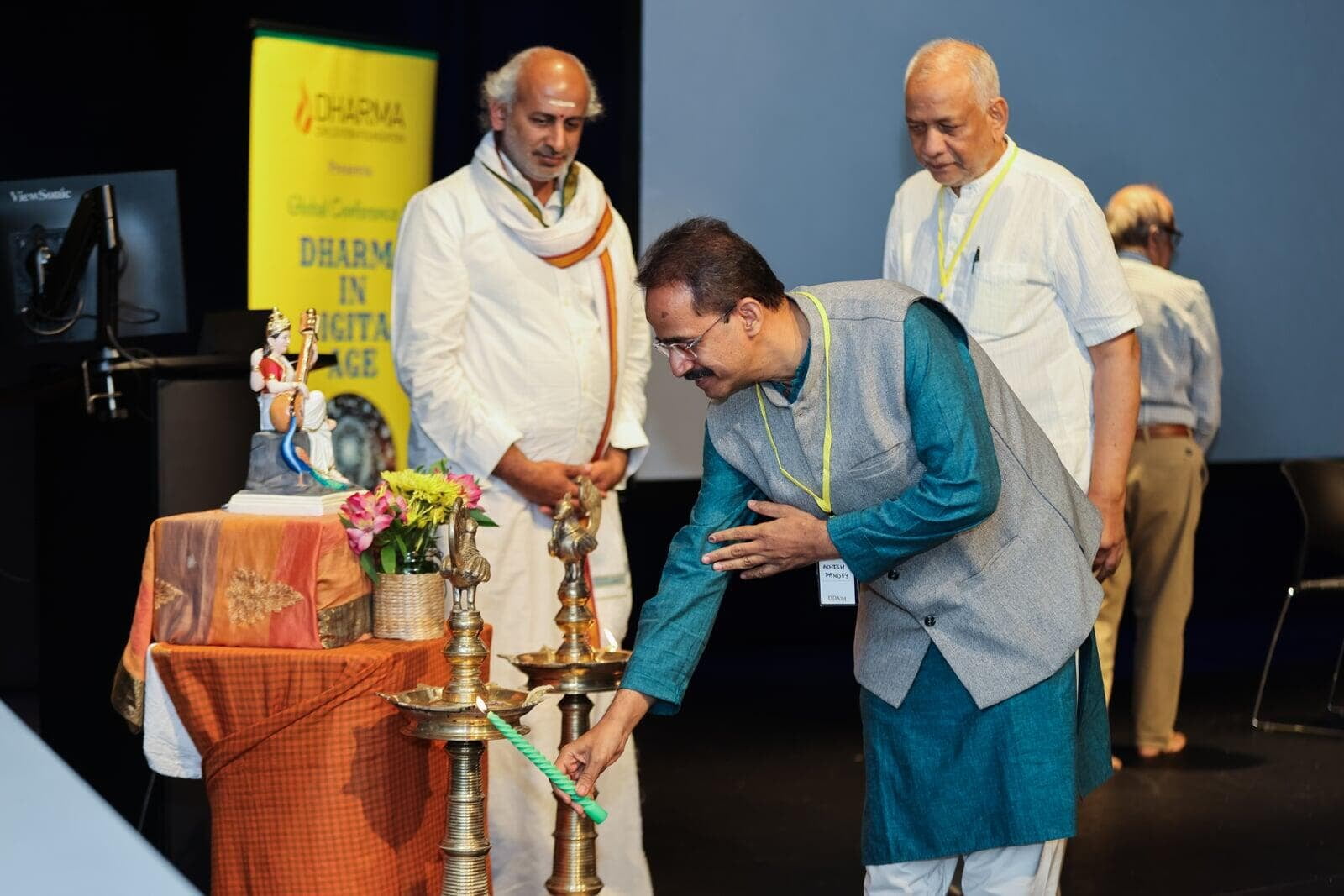
The questions. The disagreements. The conversations after the conversations.
 [ PHOTO — the questions ]
 [ PHOTO — the disagreements ]
 [ PHOTO — conversations after the conversations ][ PHOTO — the encounters ]
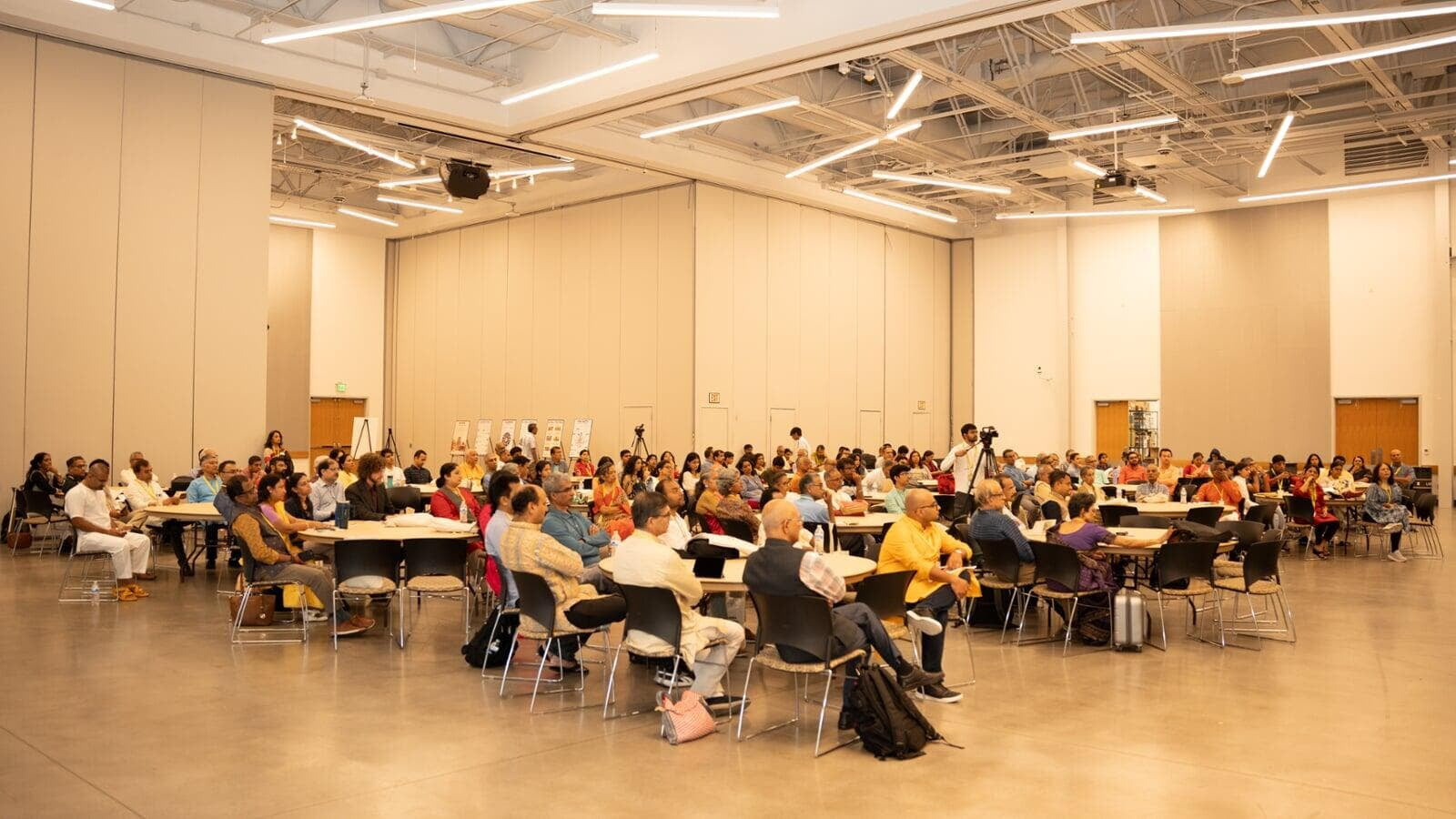 [ PHOTO — the community beginning to form ]
The disagreements.
The conversations after the conversations.
The encounters.
The community beginning to form.
DDA ’24 didn’t answer the question.
It made the question bigger.
If Dharmic frameworks could illuminate contemporary life, could we take them deeper into the systems shaping that life?
Economics. Leadership. Media. Technology. Social impact. How we measure progress itself.
That became DDA ’25.
The conversation has moved a long way since 2024.
And it is just getting started.
DDA ’27 · June 11–13, 2027 · Houston